Charity’s Dartmoor Heritage Pony education programme inspires local schoolchildren
A new education programme from the Dartmoor Pony Heritage Trust (DPHT) is helping schoolchildren discover Dartmoor’s landscape, wildlife and heritage ponies, with overwhelmingly positive feedback from teachers and pupils.
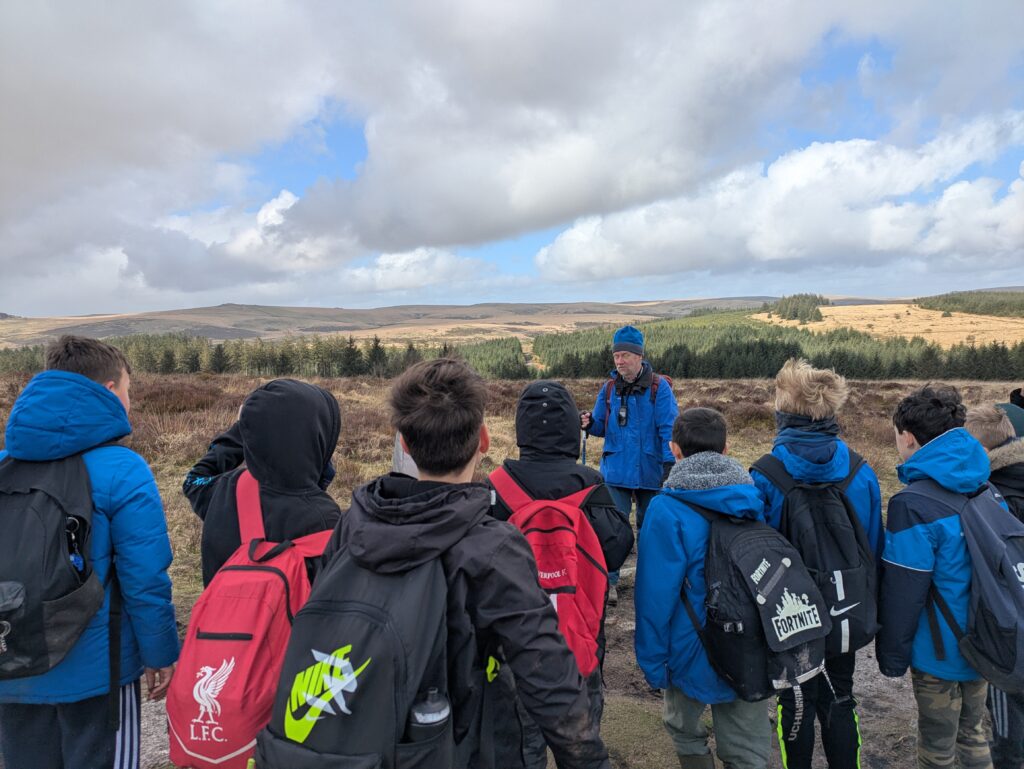
The Key Stage 2 programme, led by DPHT Education Workstream Leader Sarah Jellard, from Environmental Educational Consultancy, combines classroom learning with a field visit to Dartmoor, giving children the chance to explore the landscape and understand the role heritage Dartmoor ponies play in shaping the moor.
Early results have been striking. During one recent visit, 50 children took part in the day’s activities yet only three had previously visited Dartmoor, despite living relatively close to it.
Sarah said: “Many of the children live quite near Dartmoor but had never visited before. Watching them discover the landscape and the ponies for the first time is really special. The feedback from teachers has been wonderful and the children are completely engaged throughout the day.”
The programme begins in the classroom with a specially developed KS2 resource pack, including teaching materials, a PowerPoint presentation, short video clips and interactive activities designed to introduce pupils to Dartmoor before their visit.
The materials were developed in collaboration with teachers from Shiphay Primary School and Tavistock Primary School ensuring they are practical, engaging and aligned with classroom needs., and High Bickington Primary School and Witheridge Primary School have already used our KS2 classroom and on Dartmoor package.
Teachers say the resources help pupils understand Dartmoor’s landscape, archaeology and ecology while building excitement ahead of their visit.
One teacher said: “Excellent resources. The children loved all the mini activities. The curriculum links were really strong and the knowledge organiser worked very well. Everything was very age appropriate and we will definitely use the materials again.”
Another teacher added: “The resources were extremely useful in the lead up to the visit and sparked a great deal of discussion in class about landscapes and how they have formed over time.”
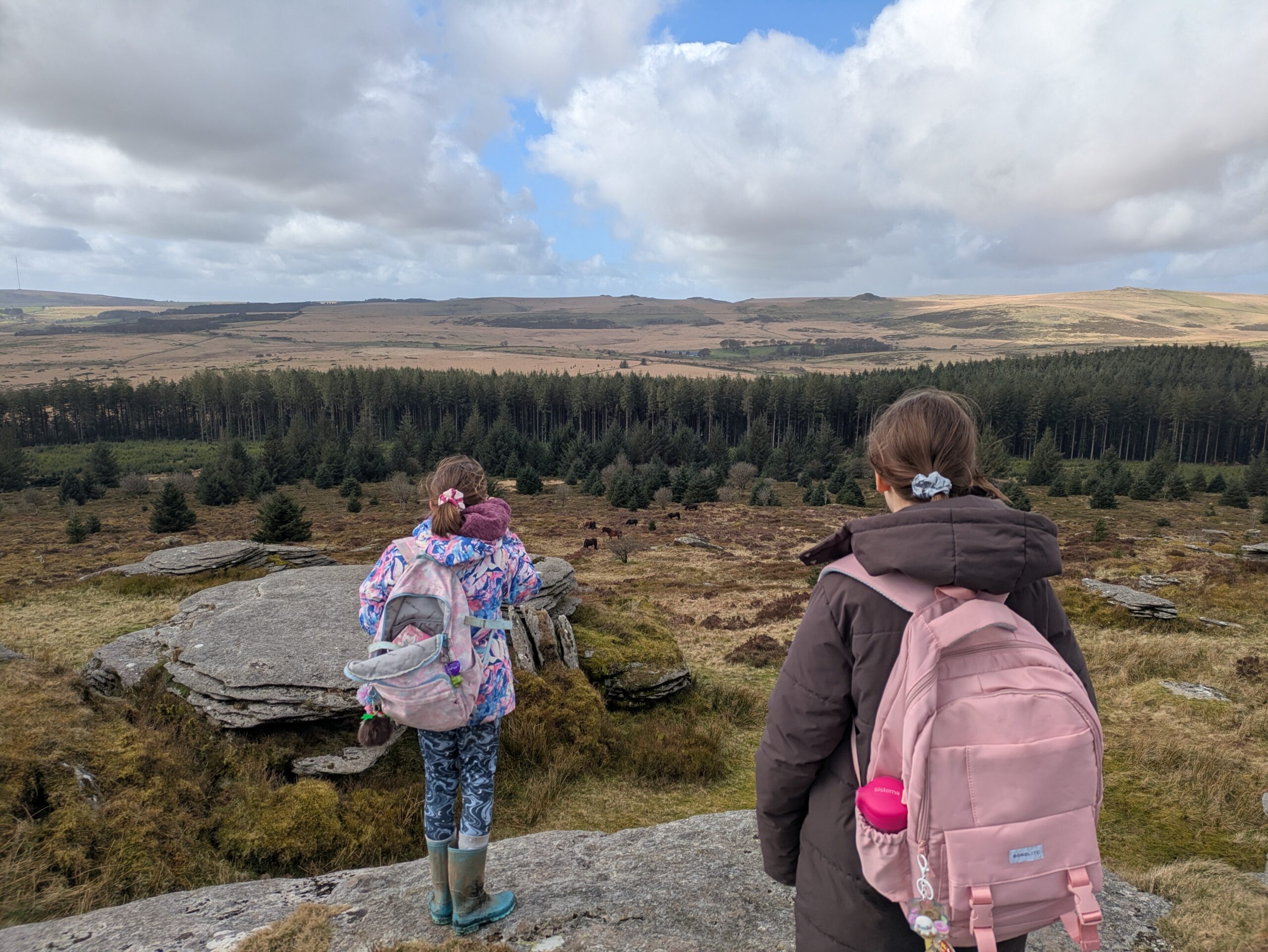
The field visit itself takes place on Dartmoor, where experienced guides lead the children through the landscape, helping them understand the archaeology, wildlife and the importance of Dartmoor ponies in conservation grazing.
Sarah said the day on the moor is often the highlight. “The guides are fantastic with the children. They combine leadership with a real sense of fun while keeping everyone engaged and focused. It is lovely to see how the children respond. They really thrive during the visit.”
As part of the experience, pupils create their own leaflet or poster about Dartmoor, some of which are displayed at the Postbridge Visitor Centre, giving the children a sense of pride and ownership in what they have learned.
The programme has also highlighted an important challenge.
“One thing I hadn’t fully anticipated is that many children feel quite nervous about visiting somewhere new,” Sarah explained. “The classroom resources help them visualise Dartmoor before they arrive, which can be especially helpful for children with additional learning or emotional needs.”
Funding is now in place to pilot the programme with two additional schools, and interest from other schools continues to grow.
The Dartmoor Pony Heritage Trust plans to host the education resources on its website so that more schools can access them in the future, encouraging children to learn about Dartmoor and the heritage ponies that have shaped its landscape for centuries.
Future plans include developing resources for Key Stage 3 pupils and exploring material that highlights careers connected to Dartmoor, helping young people understand the wide range of work linked to conservation, farming and landscape management.
Sarah said: “If we can help more young people experience Dartmoor and understand why the ponies matter, then we are helping them build a connection with the landscape that could last a lifetime.”